

Amsterdam, Net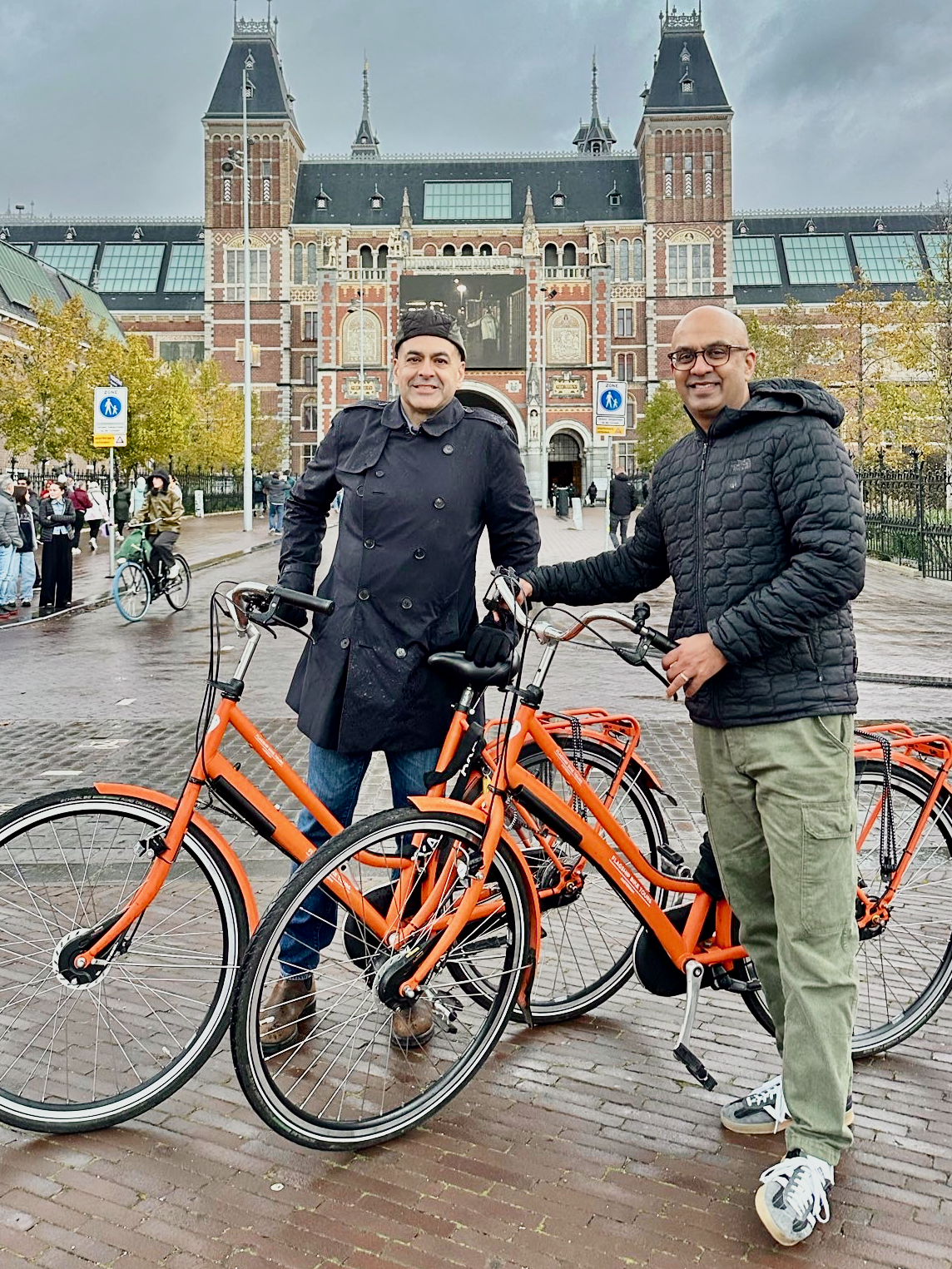 herlands —The 14th annual CURE OM Global Science Meeting, hosted by the Melanoma Research Foundation, brought together researchers, oncologists, patient advocates, and families from around the world to focus on uveal melanoma, a rare cancer of the eye. The event highlighted both scientific progress and the human experiences behind the disease, emphasizing community, collaboration, and hope.
Prithvi Mruthyunjaya M.D., MHS, Stanford professor and director of ocular oncology, and Vinit Mahajan M.D., Ph.D., Stanford professor and vice chair of ophthalmology research, presented their collaborative work at the intersection of surgery and precision molecular medicine.
Their lecture, “Aqueous Humor Liquid biopsies for Ocular Melanoma,” highlighted a major theme of the meeting: early detection, prognosis, and monitoring.
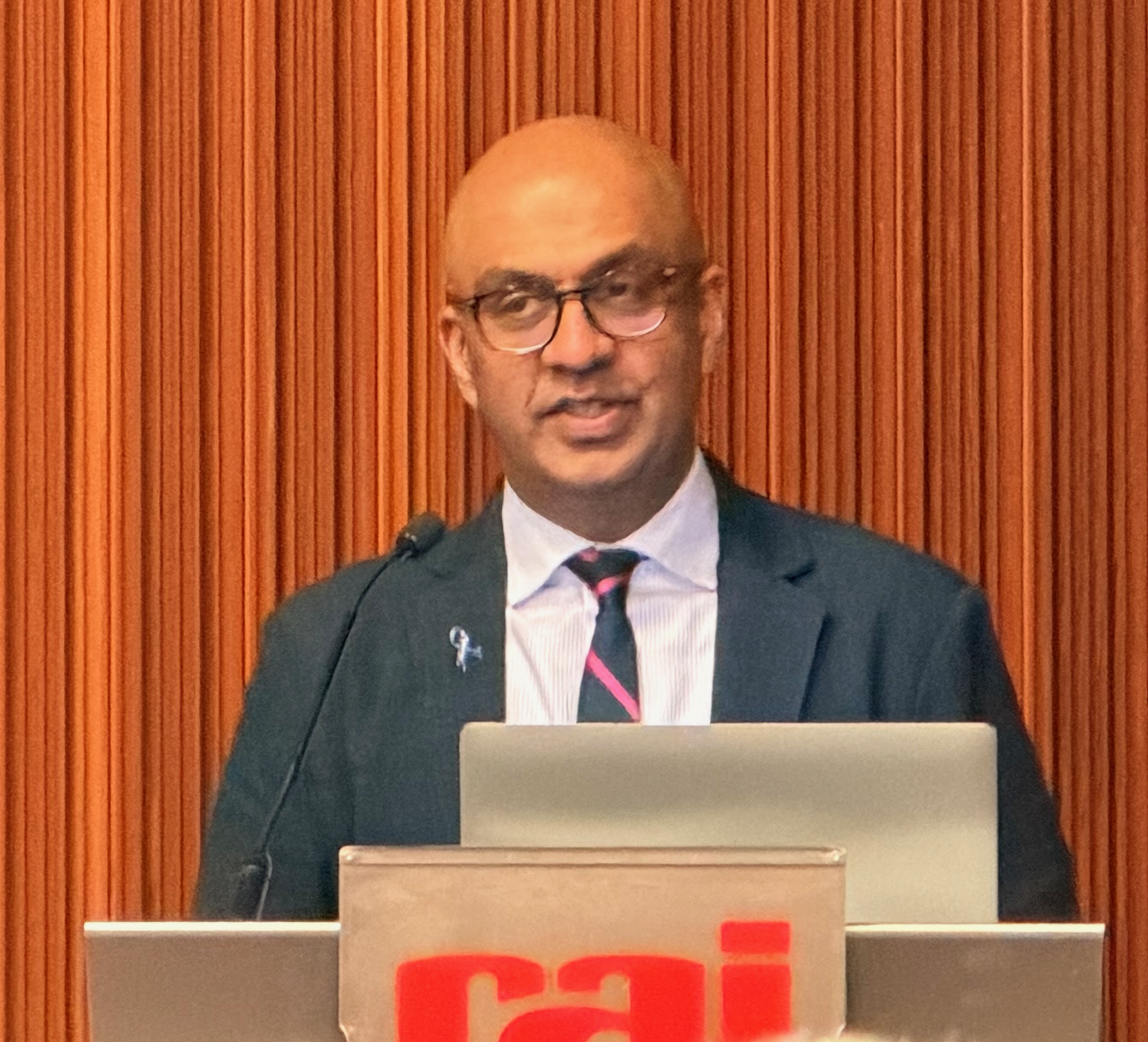
Mruthyunjaya said, “Liquid biopsy proteomics are a minimally invasive way to visualize disease on a molecular level in real time. Our research indicates this can help doctors accurately diagnose eye cancer and predict if it’s likely to metastasize, information that can be lifesaving.”
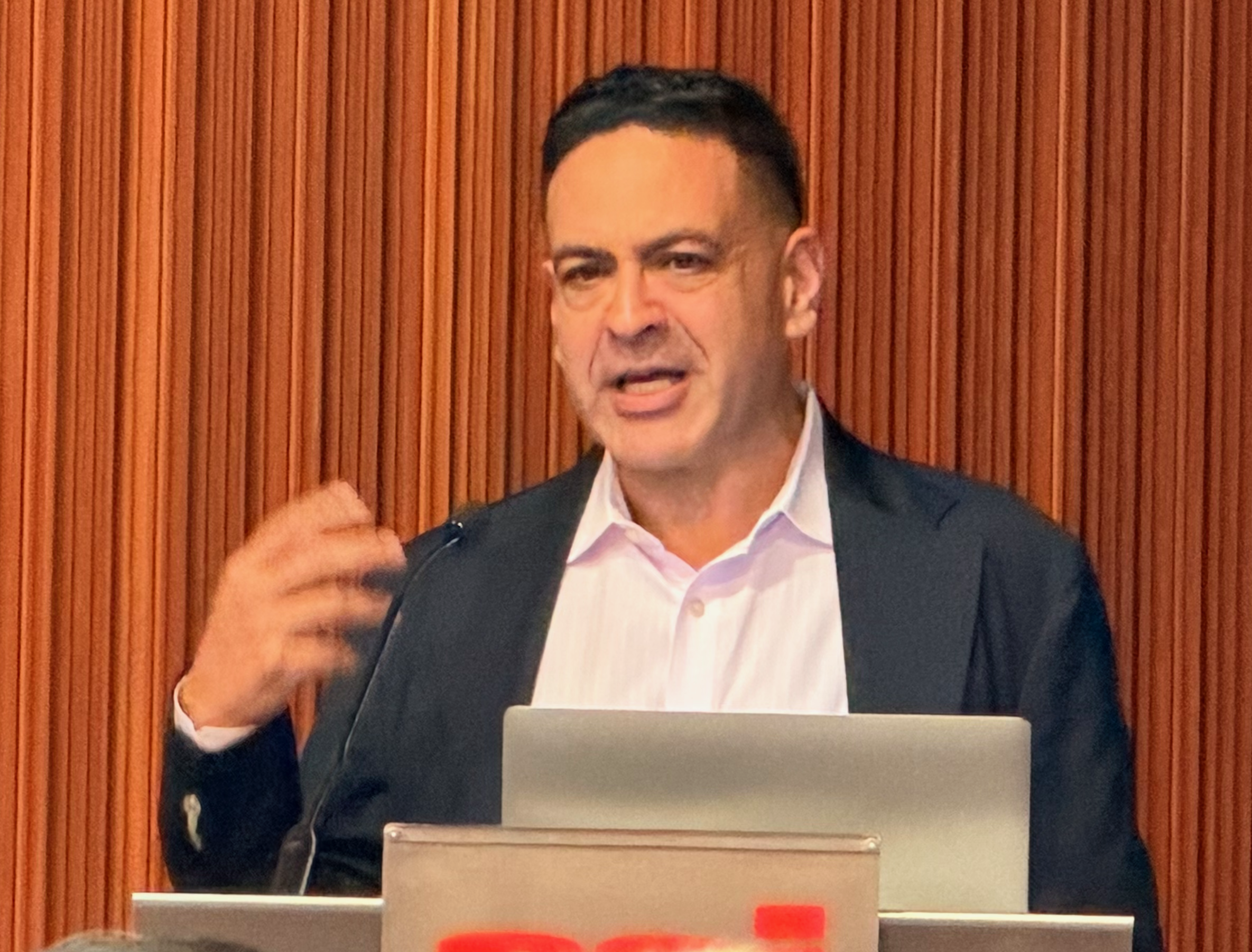
Mahajan explained, “Advances in proteomics and molecular profiling are allowing us to identify cancer mechanisms in greater detail and better understand tumors. We are beginning to understand why past trials have failed and are identifying new drug targets that are more likely to succeed. The tools we are developing will help monitor treatment response and guide personalized care.”
Mahajan and Mruthyunjaya underscored the value of teamwork across surgeons, ophthalmologists, medical oncologists, and research scientists to improve outcomes for patients.
Other oncologists and scientists, including Allison Betof Warner M.D., Ph.D., director of Stanford’s Advanced Melanoma Program, shared updates on emerging therapies, including more personalized forms of immunotherapy and targeted medicines designed to act on the specific genetic features of uveal melanoma cells.
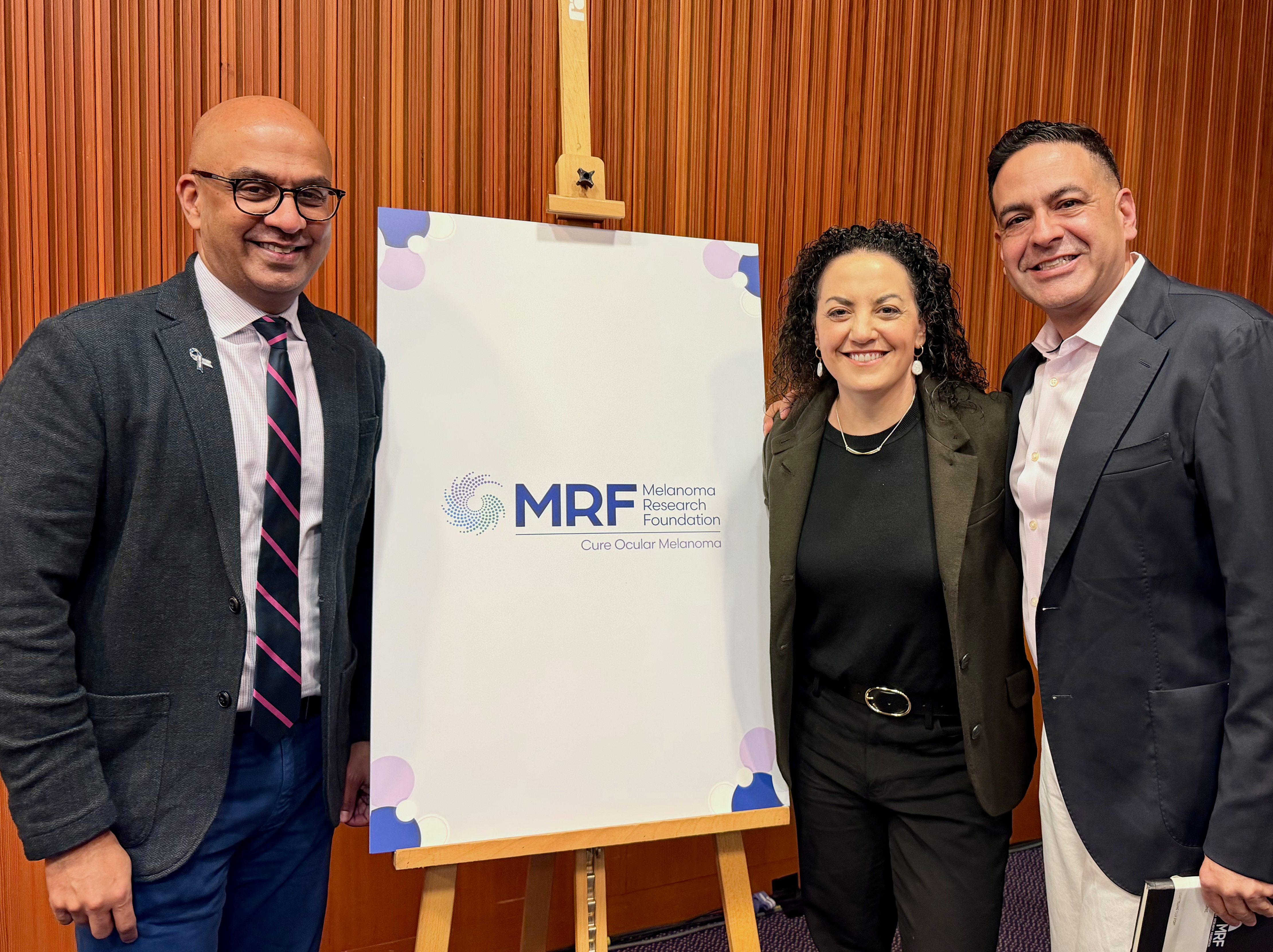
Mruthyunjaya said, “While many treatments are still being studied, I am incredibly optimistic about all the clinical trials becoming available and hopeful that outcomes continue to improve for patients.”
The atmosphere throughout the event was one of determination and unity—scientists committed to advancing research, clinicians devoted to compassionate care, and industry driving clinical trials.