
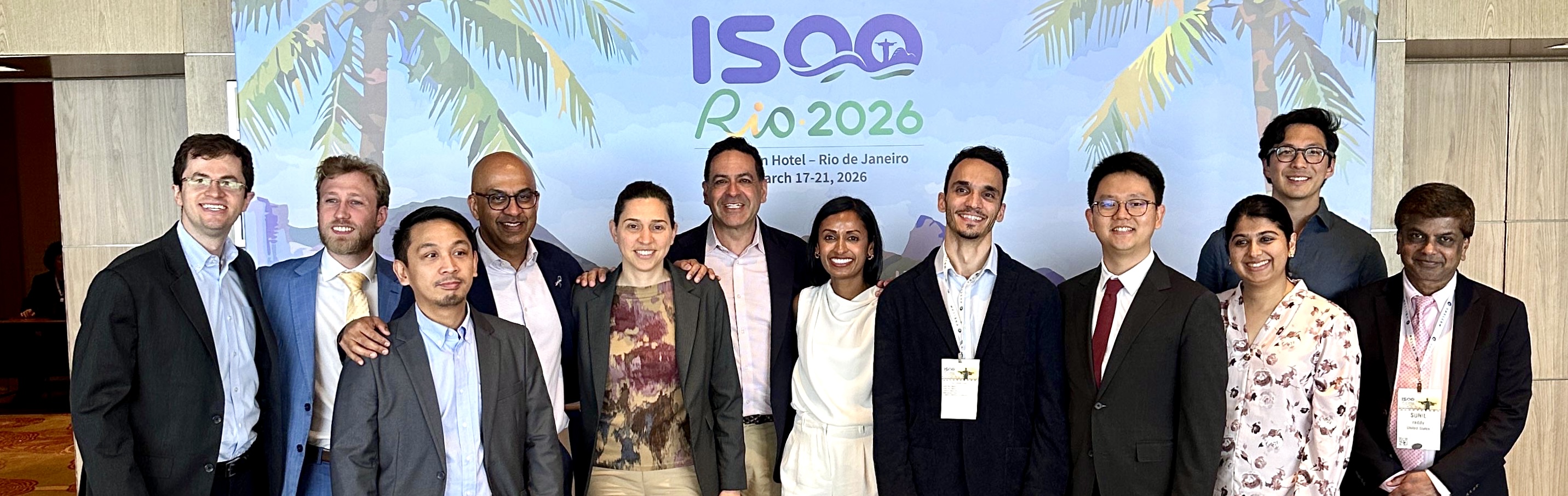
Rio de Janeiro, Brazil — Stanford researchers traveled to Rio de Janeiro, Brazil to participate in the International Society of Ocular Oncology’s (ISOO) Biennial Conference. Presentations from the group detailed the Mahajan Lab's novel findings on tear proteomics as a non-invasive method for detecting and monitoring eye cancers. This groundbreaking work highlights the lab's leadership in pioneering new molecular tools for diseases like ocular surface squamous neoplasia and uveal melanoma.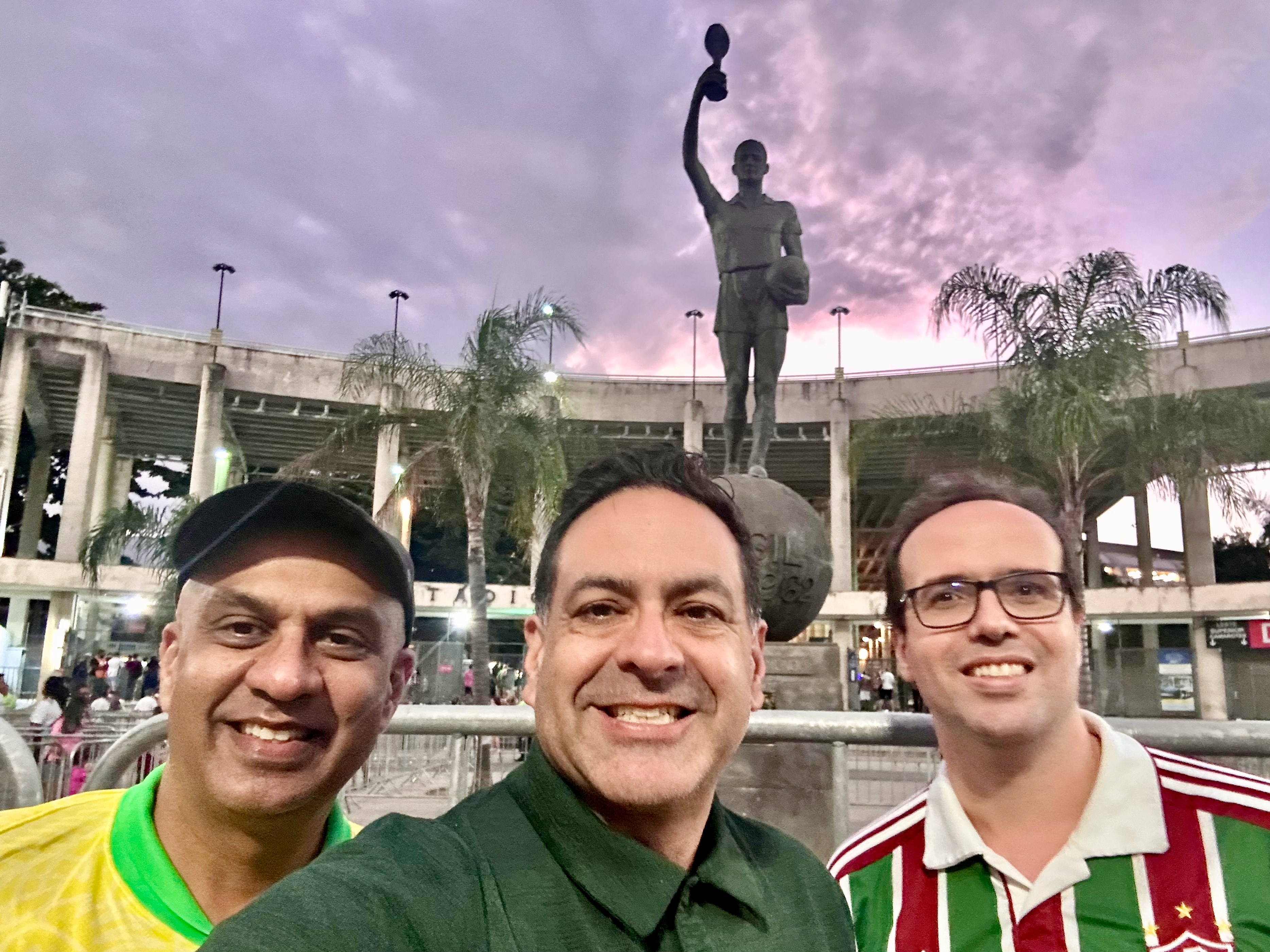
Vinit Mahajan, M.D., Ph.D., Stanford professor and vice chair for ophthalmology research, said, "The ISOO meeting in Rio was a phenomenal gathering of global eye cancer expertise. It was the ideal setting to share our latest work on non-invasive biomarkers from tears, which we believe can transform early detection. The feedback and new collaborations sparked at the meeting are invaluable and will directly energize our research back at Stanford."
The conference featured a strong presence from Stanford's Byers Eye Institute. Collaborator Prithvi Mruthyunjaya, M.D., M.H.S., professor of ophthalmology at Stanford and the Alan Alder Professor of Ocular Oncology, served as the conference's program chair and delivered a key presentation. His talk focused on how proteomic and genomic data from the lab are being used to guide patient treatment decisions in the clinic.
Mruthyunjaya commented on the importance of translational research: "Our work in proteomics is transforming how we approach diagnostics. Being able to present the clinical application of these molecular insights shows the direct path from the lab bench to the patient's bedside. It gives our patients hope and allows us to provide truly personalized care."
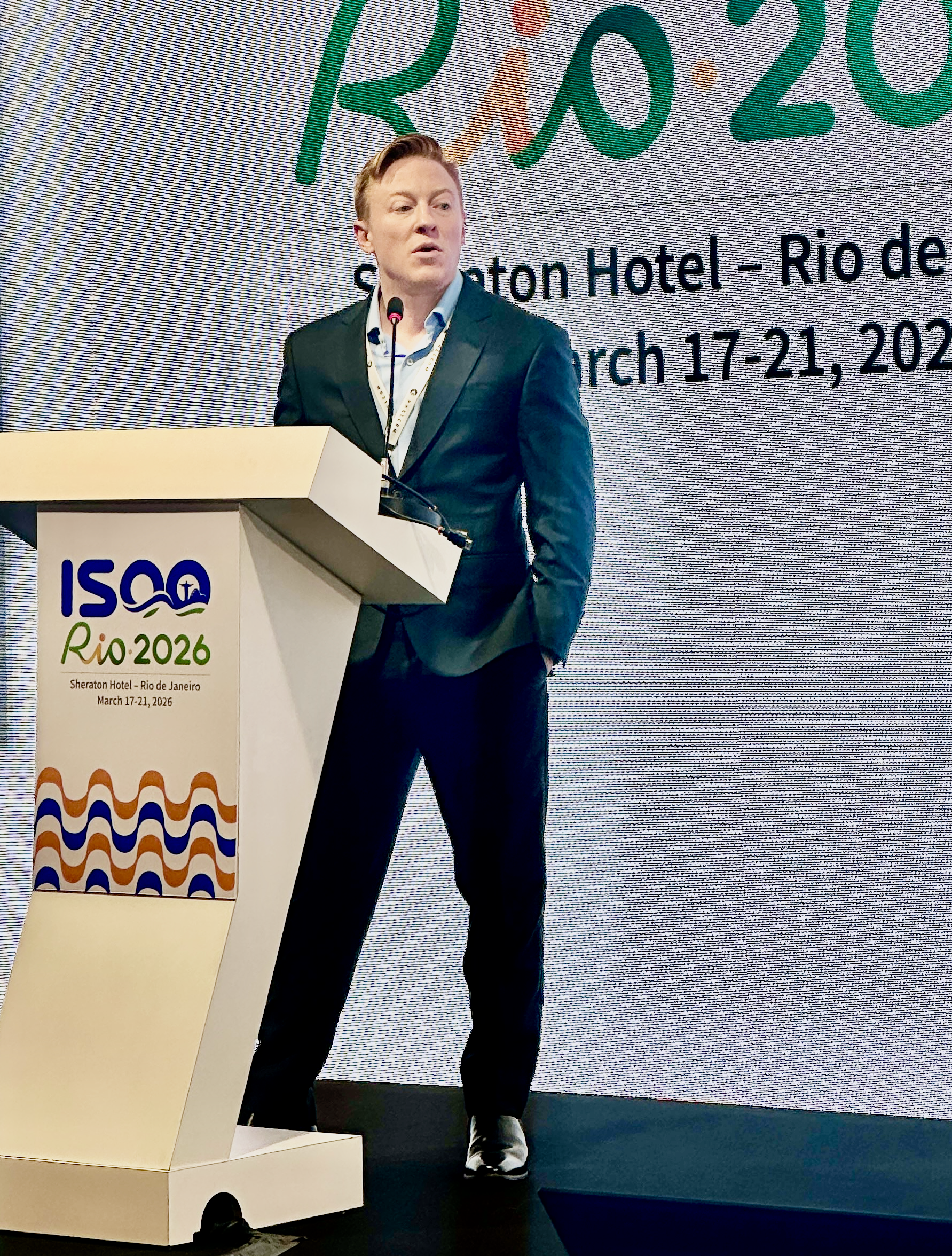
Stanford assistant professor Chase Ludwig M.D., M.S., one of Mahajan’s faculty K08 mentees, presented his use of multimodal imaging, big data, and AI-based computational modeling to create new therapies for eye diseases.
At the conference, Mahajan Lab alumnus Luis Sabage reunited with his mentors, Mahajan and Mruthyunjaya. During his time at the lab, Sabage, now a medical student in Brazil, conducted pioneering studies using conjunctival swabs to detect COVID-19 and helped develop methods to understand vitreous biophysical properties.
Mahajan led a panel discussion on the use of emerging technologies for early detection and monitoring of eye cancers. The panel featured experts from around the world who are developing innovative approaches in this field. The panel explored how advances in areas like tear proteomics, liquid biopsy, and AI-assisted imaging can 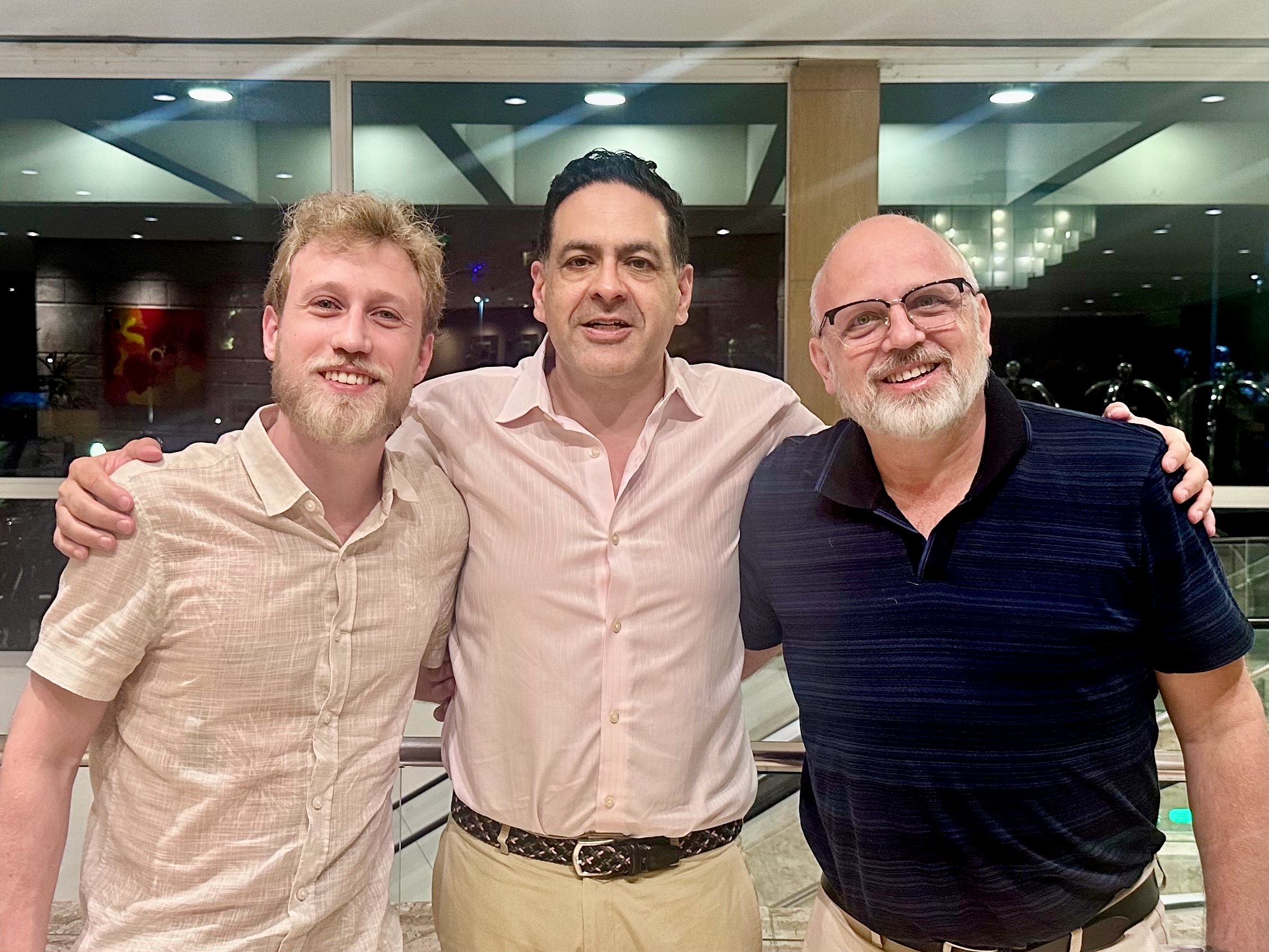 revolutionize ocular oncology. The discussion delved into the latest research breakthroughs, as well as the logistical and regulatory challenges in translating these technologies into clinical practice.
The collaborative leadership of Mahajan and Mruthyunjaya exemplifies the powerful impact of translating laboratory discoveries directly into care for patients with eye cancer. The team continues its mission to develop precision medicine for eye diseases. The insights and partnerships forged at ISOO 2026 will fuel future projects aimed at creating novel therapies for patients with eye cancer.