
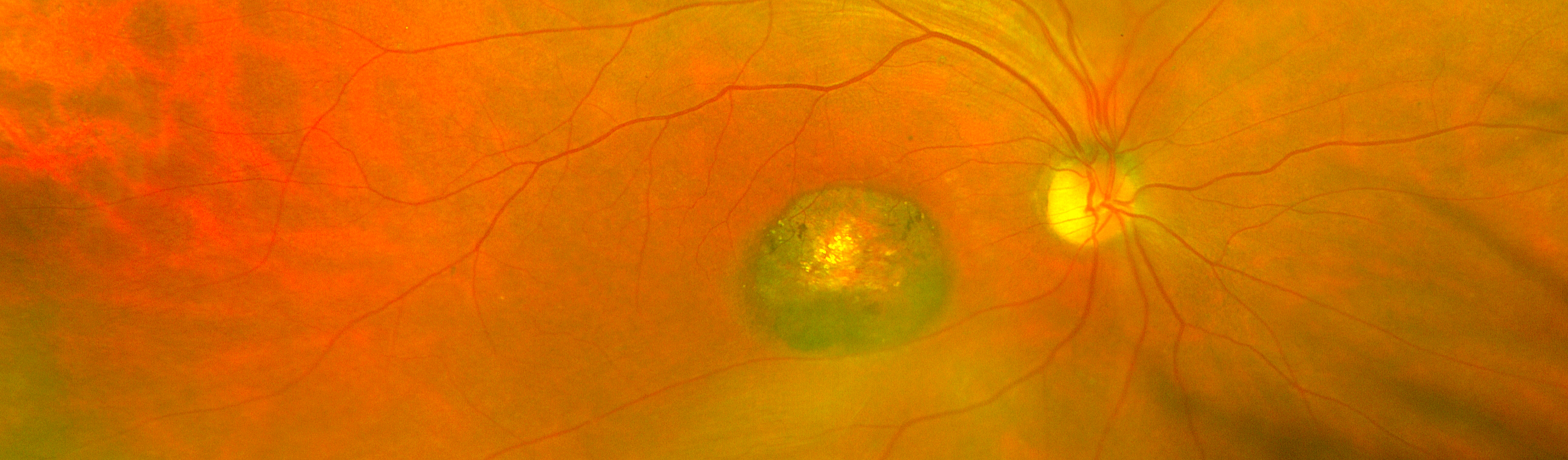
ERIE, PA – A new surgical device makes the delicate process of delivering gene therapy to the eye significantly faster and more reliable, according to a study from Erie Retina Research and Stanford University. The research, published in Clinical Ophthalmology, found that a pneumatic micro-needle injection system reduced operating time by 37% while maintaining an excellent safety profile, a development that could help standardize and broaden access to vision-saving genetic treatments.
The procedure, known as subretinal injection, is the critical final step in gene therapy. It requires a surgeon to use a micro-needle to inject a small pocket of therapeutic fluid into a space less than a millimeter thick at the back of the eye. The traditional method relies on an assistant manually pushing a syringe plunger, a technique prone to human error and uncontrolled pressure spikes that can damage the delicate retina. The new EVA INICIO™ system replaces this manual step with a foot-pedal-controlled device that automates the micro-needle injection with smooth, consistent pressure.
The study was co-authored by Vinit B. Mahajan M.D., Ph.D., Stanford professor, director of the Molecular Surgery Laboratory, and vice chair for ophthalmology research. Dr. Mahajan brings a unique perspective to the work, having served as a retinal gene therapy surgeon on the pivotal clinical trial for Luxturna, the first FDA-approved gene therapy for any human disease.
“The delivery of a therapy is just as critical as the therapy itself. For gene therapy to succeed, every step of the process must be precise and repeatable,” said Mahajan. “This study shows how a well-designed tool can replace variability with standardization. By automating the micro-needle injection pressure, we remove a major source of potential error, ensuring the delicate final step of the procedure is as reliable as possible. It’s a perfect example of how engineering new tools can directly solve clinical problems and improve patient safety.”
The study, led by surgeon David Almeida M.D., Ph.D, M.B.A, CEO of Erie Retina Research and The Centers for Advanced Surgical Exploration (CaseX), retrospectively analyzed 19 consecutive gene therapy surgeries using the new system and compared them to 18 previous surgeries performed with the manual technique. The results were striking: the mean operating time fell from nearly 43 minutes to just 27 minutes, a savings of about 15 minutes per case. This time reduction translates to an estimated $1,200 in direct operating room savings per procedure.
“In the operating room, delivering gene therapy under the retina is a procedure where every micron matters,” said Almeida. “The manual method, while effective in experienced hands, relies on verbal coordination with an assistant and fighting friction within the syringe. With this new system, you have complete, foot-pedal control over a smooth, predictable injection. The 15-minute time savings per case is significant, but the real value is the increased consistency and confidence it brings to this critical final step of the surgery.”
Beyond efficiency, the system demonstrated high procedural reliability, successfully creating the therapeutic "bleb" under the retina on the first attempt in 95% of cases. Furthermore, no intraoperative or postoperative complications, such as retinal tears or hemorrhage, were observed in any of the 19 cases. By standardizing the micro-needle injection and removing the variables of hand tremor and inconsistent manual force, the platform may make this complex surgery more accessible to surgeons and patients outside of highly specialized centers, helping to democratize the future of genetic medicine.