
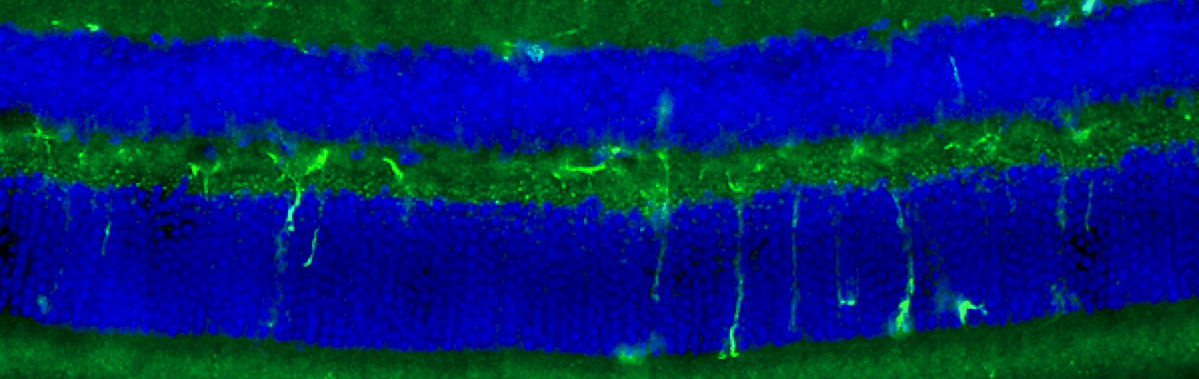
Palo Alto, CA — In the fight against ROSAH Syndrome, a rare genetic disease that can result in blindness in children and adults, patients and researchers have reason for cautious optimism. Early results from a clinical trial of an investigational drug called DF-003 suggest the treatment is safe and may improve several of the disease's most troubling symptoms. Now, the drug's developer, Drug Farm, is preparing to launch a pivotal Phase 3 trial and is asking patients, families, and doctors to reach out.
What Is ROSAH Syndrome?
ROSAH syndrome is a rare, inherited disease caused by a change (mutation) in a single gene called ALPK1. The name is an acronym for its main features: Retinal dystrophy, Optic nerve edema, Splenomegaly (an enlarged spleen), Anhidrosis (an inability to sweat), and Headache.
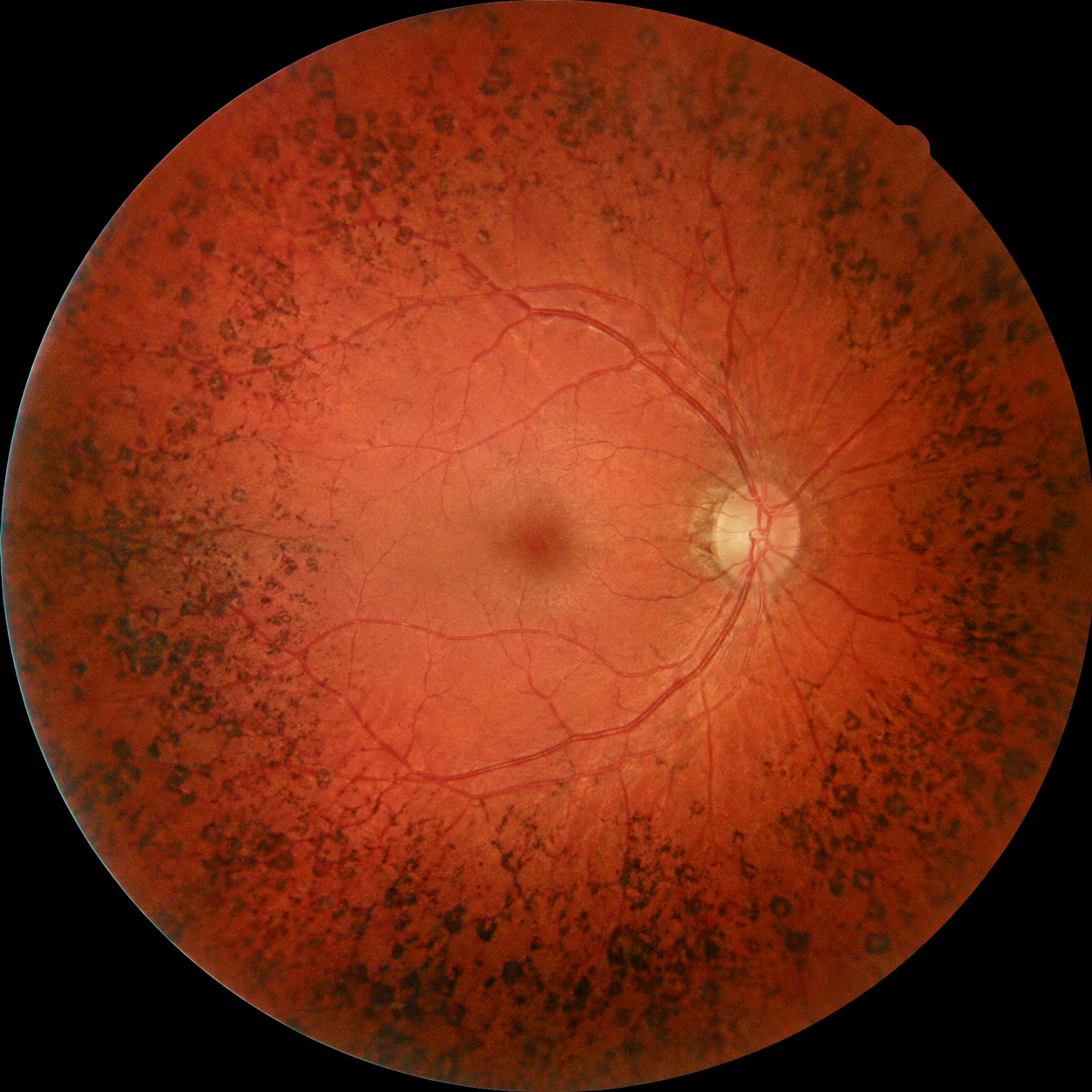
The most serious and common problem is progressive vision loss, which often begins before age 20, the median age of vision loss is about 15. The faulty gene drives the body's immune system into a state of chronic inflammation, causing damage to the eyes and other organs. Until now, there has been no approved treatment for ROSAH syndrome.
A Drug That Targets the Root Cause
Unlike older approaches that try to quiet inflammation one signal at a time, DF-003 is a "first-in-class" medicine designed to block the overactive protein ALPK1 at the source of the disease. Taken as a once-daily pill, it is engineered to be highly selective, meaning it should hit its intended target while largely leaving other proteins alone, which helps limit side effects.
Laboratory and animal studies published in Nature Communications showed that DF-003 could reduce inflammation in the retina, optic nerve, and brain, providing the scientific foundation for testing it in people.
"For families living with ROSAH syndrome, every day of vision matters," said Vinit Mahajan M.D., Ph.D., Stanford professor of ophthalmology and vice chair for research. "What excites me most is that we are not just masking symptoms; we are targeting the genetic root cause of disease. To see improvements in the optic nerve and retina, and to hear that patients regained the ability to sweat for the first time in their life, tells us we may be changing the course of this condition. A Phase 3 trial is how we find out, definitively, whether DF-003 can protect vision and improve lives."
What the Clinical Trial Found So Far
In the ongoing Phase 1b study, six adult patients with the most common ROSAH-causing mutation (T237M) completed 28 days of daily treatment with follow-up. The preliminary results were encouraging.
- Safety: No serious drug-related side effects were reported. Blood tests of the liver, kidneys, bone marrow, and clotting all remained normal. Notably, symptoms tended to return after patients stopped the drug, which is a sign that DF-003 was actively working.
- Vision: Imaging (OCT) showed reduced swelling of the optic disc and retina. One patient gained measurable improvement in vision—12 letters in the left eye and 5 letters in the right—after just 8 days.
- Whole-body benefit: All six patients improved in at least one ROSAH symptom. Improvements were seen across headache, the ability to sweat, spleen size, joint pain, and overall quality of life. Markers of inflammation in the blood (such as hsCRP and IL-6) also improved.
Importantly, these are early, preliminary results from a small number of patients, and the trial is ongoing. But taken together, they point in a consistent and hopeful direction.
What Comes Next: A Pivotal Phase 3 Trial
Based on these results, Drug Farm is now planning a pivotal Phase 3 clinical trial for adolescent and adult patients with ROSAH syndrome. This is the critical next step toward the possibility of a first approved therapy for this community.
"There has never been an approved treatment for ROSAH syndrome, and that is exactly the kind of unmet need Drug Farm was built to address," said Henri Lichenstein, Ph.D., chief executive officer of Drug Farm. "These early results give us real momentum as we move toward a pivotal trial. Our mission is to bring this therapy to the patients and families who have waited far too long for an option, and we are grateful to the patients, physicians, and researchers who have made this progress possible."
How Patients, Families, and Doctors Can Help
Because ROSAH syndrome is so rare, connecting with patients and the physicians who care for them is an important part of planning a successful study.
If you are a patient, family member, caregiver, or a physician who treats someone with ROSAH syndrome, there are several ways to stay informed and contribute:
- Talk to your doctor about the upcoming Phase 3 trial and whether it may be appropriate for you or your family member.
- Physicians who care for ROSAH patients may wish to contact the study sponsor, Drug Farm, for more information.
- Help inform where future study sites are located by completing a brief, anonymous survey about where a trial site would be easiest to access: https://www.surveymonkey.com/r/HSJKCWK
The survey is completely anonymous. It does not ask for your name, contact information, or medical history. Completing it does not enroll you in a study, but your input may help guide where a future trial site opens.
Importantly, DF-003 is an investigational drug and has not been approved by the FDA or any regulatory authority. The results described here are preliminary and from an ongoing trial. DF-003 has received Fast Track, Orphan Drug, Rare Pediatric Disease, and Rare Disease Evidence Principles designations from the FDA.