
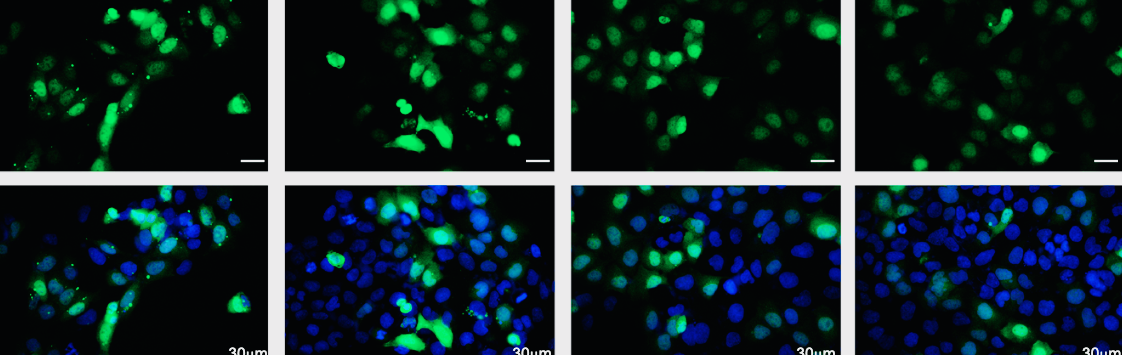
Palo Alto, CA – Researchers have discovered a new drug called DF-003 that is designed to treat ROSAH syndrome, a rare inherited disease caused by mutations in the ALPK1 gene. ROSAH syndrome leads to serious problems such as loss of vision, headaches, fevers, and immune system issues. Until now, no approved medicines existed for this condition, making this breakthrough especially important. The newly developed drug works by blocking both the normal and mutated forms of ALPK1, which is responsible for triggering harmful inflammation in affected individuals
ROSAH syndrome stands for retinal dystrophy, optic nerve edema, splenomegaly, anhidrosis, and headache. People affected often experience severe vision loss at a young age, along with repeated episodes of fever, joint pain, and headaches. These symptoms are driven by very high levels of immune system chemicals that cause inflammation. The discovery of DF-003 is a significant milestone because it targets the genetic source of these problems rather than just managing the symptoms.
DF-003 was created by the biopharmaceutical company Drug-Farm. It is taken by mouth and has shown strong potential in laboratory studies. It has been tested in animal models and was found to reach the eyes and nervous system—areas most impacted by ROSAH syndrome. Treated animals showed reduced levels of inflammatory chemicals and overall improvement in disease symptoms.
Vinit Mahajan M.D., Ph.D., vitreoretinal surgeon and Stanford’s Vice Chair for Research in Ophthalmology and co-author on the study, said, “These encouraging results have led to clinical trials in humans, bringing real hope to patients suffering from this disease. And DF-003 is among the few oral therapeutics emerging for retinal disease.”
He added, “Importantly, the research into rare genetic diseases like ROSAH syndrome can help scientists tackle more widespread health problems. The ALPK1 gene, which causes ROSAH, also plays a role in controlling inflammation in other diseases, such as heart and kidney conditions.”
By understanding how genetic changes lead to rare diseases, researchers learn how to develop new medicines for various illnesses that share similar inflammatory pathways.
Mahajan said, “Many medical breakthroughs start by focusing on rare disorders, showing that patients everywhere can benefit from this kind of research. The advances made through studying ROSAH syndrome demonstrate the value of precision medicines, inspiring new approaches to treat both rare and common diseases.”
The research study was published in the peer-reviewed journal Nature Communications, “Discovery of a selective alpha-kinase 1 inhibitor for the rare genetic disease ROSAH syndrome."